
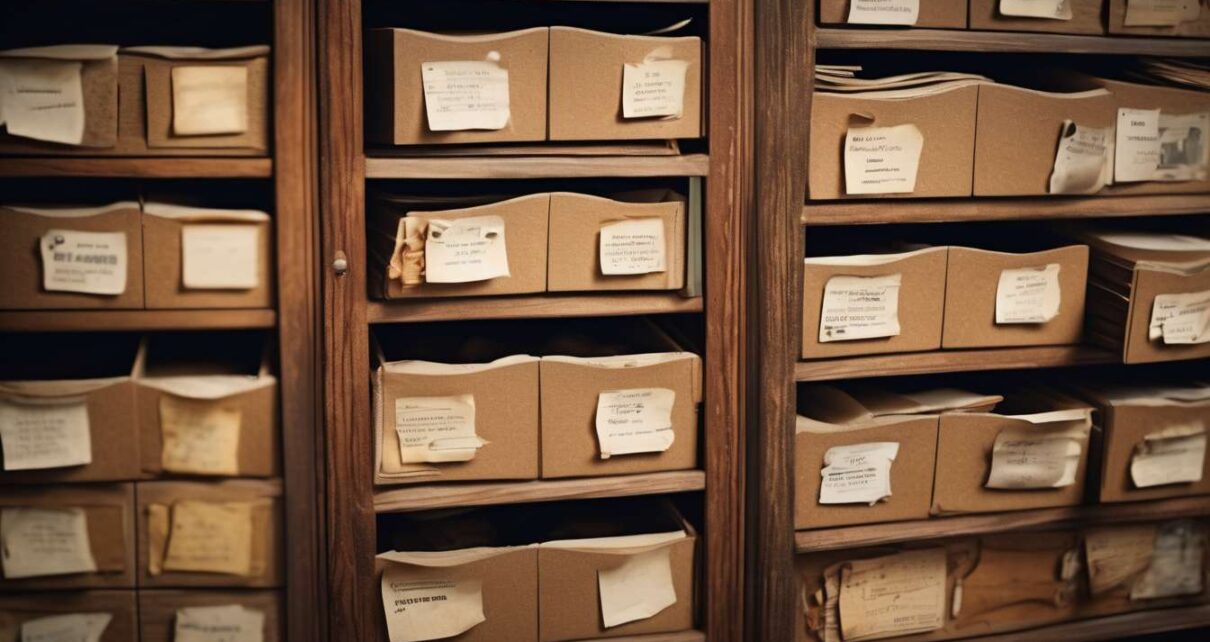
One recurring question is how societies remember parts of culture many prefer to forget.
As archivists, researchers, and enthusiasts, we confront the ethical, legal, and technical challenges of preserving adult image publishing—materials that document shifting norms, technologies, and power relations.
Key tensions we must balance:
- Privacy vs. historical value.
- Consent vs. access.
- Preservation vs. harm prevention.
How do we balance privacy, consent, and historical value when cataloging images that were once stigmatized or hidden?
How do we ensure future scholars can trace visual economies and aesthetic trends without reproducing harm?
Practical areas we negotiate when assembling collections:
- Provenance. Establishing clear source histories and acquisition contexts.
- Redaction. Determining when and how to obscure identifying details.
- Metadata standards. Creating descriptive, neutral, and precise metadata that supports research while protecting individuals.
- Access policies. Defining tiered access, embargoes, and review procedures to limit potential harm.
- Learning from marginalized creators. Incorporating practices and demands from communities whose work was erased or misrepresented.
Technical and preservation strategies we adapt:
- Preserve multiple formats and migration pathways as formats degrade.
- Maintain redundant storage and archival mirrors to mitigate server loss.
- Document platform-specific contexts (UI, affordances, distribution pathways) so future researchers understand original presentation and circulation.
Our commitment
By asking these questions aloud, we commit to creating transparent frameworks that:
- Honor creators,
- Protect subjects,
- Keep a complex media history available for critical study rather than oblivion.
Ethical Frameworks for Archiving
Ethical principles for preserving or publishing adult imagery
1. Balance creators’ rights, subject consent, and public interest.
We must establish clear ethical principles that weigh creators’ intellectual property and moral rights, subjects’ autonomy and dignity, and the public interest in access and historical record.
2. Documented provenance and traceable ownership.
- Require documented provenance to trace origin and ownership.
- Use acquisition records, contracts, and rights statements to support decisions.
3. Demonstrable consent for identifiable subjects.
- Require demonstrable consent whenever subjects are identifiable.
- Define acceptable forms of consent (written, recorded, or equivalent) and time limits or revocation processes.
4. Safeguard privacy and minimize exposure.
- Minimize unnecessary exposure of subjects.
- Use access controls (tiered permissions, request-based access) to limit distribution.
- Anonymize or redact metadata and identifiable features where appropriate.
5. Accountability and justification of archival decisions.
- Justify each archival or publishing decision by assessing potential harms versus cultural or research value.
- Maintain audit trails and documented rationales for decisions to enable review and accountability.
6. Inclusive, participatory policy-making.
- Involve stakeholders — creators, subjects, archivists, researchers, and where relevant community representatives — in setting norms.
- Use consultation processes to ensure policies feel fair and protective.
7. Tiered access models for risk management.
- Prefer tiered access that enables scholarly or restricted use without broad public distribution when risks outweigh benefits.
- Define clear criteria for each access level and review procedures for changing access.
8. Center consent, provenance, and privacy in the framework.
By centering consent, provenance, and privacy, we create an ethical framework that enables responsible stewardship of sensitive materials while honoring the people and practices represented.
Consent and Rights Management
We will implement clear, verifiable consent and rights-management procedures that document permissions, limitations, and revocation options for any adult imagery we steward.
We require documented consent that specifies scope, duration, and permitted uses so every contributor feels respected and included.
We record metadata linking consent records with item identifiers to maintain provenance, without conflating provenance practices with acquisition decisions.
We protect privacy by minimizing exposed personal data, using access controls, and anonymizing items when consent limits public display.
We create easy-to-use revocation pathways and honor alterations to permissions, logging changes so the community can trust our stewardship.
We educate contributors about rights, explaining copyright, licensing, and how archival access may differ from commercial distribution.
We perform regular audits to verify compliance and maintain clear dispute-resolution processes so people have a place to be heard.
By centering consent, provenance-aware documentation, and robust privacy safeguards, we build a welcoming archive that preserves history responsibly and keeps contributors’ dignity and agency at its core.
Provenance and Acquisition Practices
We will establish transparent acquisition protocols that document origins, legal status, chain of custody, and any transfer or purchase terms for every item we accept.
We will require documented consent where applicable and verify provenance through corroborating records.
We will record contextual metadata so each item’s history is clear to our community.
We will prioritize acquisitions that strengthen collective memory and respect contributors’ intentions, and we will openly note when provenance is incomplete or contested.
We will use standardized intake forms, accession numbers, and provenance statements that are shared among staff and contributors so everyone knows how materials arrived and under what terms.
We will assess legal title and rights before accessioning and avoid accepting items with unclear consent or dubious provenance.
We will maintain confidentiality and appropriate privacy considerations in acquisition records while not hiding necessary provenance details.
By doing this, we build trust and foster belonging, ensuring the archive represents ethical, accountable stewardship of adult image publishing history.
Privacy Protection Techniques
We implement layered protections to preserve contributor privacy while keeping materials usable for research.
Key techniques include:
- Redaction and targeted removal. We apply targeted redaction rather than blanket removal to maintain scholarly value while reducing reidentification risk.
- Selective access controls. We enforce role-based access and audit trails so only authorized researchers can access sensitive items.
- Metadata minimization. We remove or mask personal identifiers in metadata while retaining necessary descriptive elements for research.
- Secure storage. We store sensitive materials in encrypted repositories with monitored access.
Consent is the foundation of our approach.
- Document permissions. We create clear intake forms that record what contributors have consented to.
- Respect withdrawal requests. Contributors can request withdrawal or changes; we document and honor those requests.
- Transparent intake. Intake forms and consent language are written so contributors “feel seen and safe.”
We balance provenance with privacy.
- Preserve acquisition history without exposing identifiers. We keep provenance information but mask names, contact data, and other personal identifiers.
- Record existence and legal context when full provenance risks harm. In cases where disclosure could cause harm, we note that provenance exists and include relevant legal/contextual notes without revealing identifiable details.
Governance, review, and transparency.
- Ongoing review with stakeholders. We routinely review practices with community stakeholders and update protocols when legal standards or expectations shift.
- Transparent policies and feedback. We publish policies and invite feedback to cultivate belonging, accountability, and trust across the archive.
Overall goal: Uphold rigorous privacy protections while preserving the research value of materials through layered controls, consent-centered practices, and transparent governance.
Metadata and Descriptive Standards
We’ll define clear, consistent metadata schemas and descriptive practices that balance discoverability, research utility, and the protections outlined above.
We’ll adopt controlled vocabularies and standardized fields that record provenance, creatorship, and the context of creation while flagging consent status and privacy considerations.
We’ll include provenance notes that trace source chains, acquisition dates, and any restrictions the rights holders or subjects have placed on use.
We’ll use descriptive summaries that are neutral, precise, and community-informed so researchers and contributors feel included and respected.
We’ll mark sensitive elements with discreet, machine-readable flags rather than verbose public notes, preserving privacy without erasing necessary context.
We’ll document our decision-making, creating an audit trail for future stewardship.
- Why a term was chosen
- How consent was documented
- How privacy was assessed
We’ll maintain interoperability with broader archival standards so our records can connect with other collections while honoring the consent and privacy commitments that build trust within our community.
Access Controls and Embargoes
We will implement tiered access controls and time-limited embargoes that balance research needs, community safety, and individual protections.
Access levels will be clear and tied to documented consent and verified provenance.
- Access permissions are matched to consent status and provenance verification.
- Contributors and researchers receive documented explanations of their rights and responsibilities.
- This approach helps contributors and researchers feel respected and included.
Embargoes will restrict public release of sensitive items until consent conditions are met or legal risks abate.
- During embargo, vetted scholars may request mediated access.
- Mediated access requires signed agreements that uphold privacy and ethical use.
We will maintain transparent request procedures and detailed access logs to foster trust and accountability.
- Logs will record who accessed what and why.
- Request procedures will be publicly described so community members understand the process.
Review boards will include contributors and community members to ensure decisions reflect collective values.
- Inclusion of diverse stakeholders prevents gatekeeping by a few.
- Decisions will be documented and communicated to affected parties.
When consent status is uncertain, we default to the most protective setting and pursue provenance research.
- The default protective setting minimizes risk to individuals.
- Active provenance research aims to clarify history, rights, and appropriate access.
These measures enable responsible stewardship of materials: promoting scholarly inquiry while safeguarding individuals, honoring consent, preserving provenance, and reinforcing a sense of belonging for all stakeholders.
Technical Preservation Strategies
We will implement robust, redundant technical preservation strategies that ensure long-term accessibility, integrity, and secure isolation of sensitive adult-image collections.
Key elements will include:
- Checksums for integrity verification.
- Multiple geographically distributed copies for redundancy and disaster recovery.
- Format migration plans to avoid obsolescence.
- Clear documentation of acquisition metadata so consent histories and chain-of-custody are traceable.
We will protect privacy while enabling preservation actions by:
- Using encryption-at-rest with strict key management.
- Separating identifiers from content to reduce exposure risk.
- Defining policies that allow necessary preservation operations without exposing raw-sensitive data.
We will adopt open, well-documented formats and automated validation to detect bit rot and enable reliable restorations.
- Automated routines will run regular integrity checks and report anomalies.
- Migration procedures will be documented and tested before execution.
We will maintain immutable logs and versioned storage so every change is auditable and rollbacks are possible.
- Audit trails will record who performed actions, when, and why.
- Versioning will preserve previous states for forensics and recovery.
We will design isolation workflows and least-privilege access so authorized staff can perform preservation tasks without broad access to sensitive content.
- Role-based access controls and compartmentalization will limit exposure.
- Temporary, narrowly scoped access tokens or workspaces will be used for necessary operations.
We will run regular audits, drills, and validation exercises to ensure readiness and detect weaknesses.
- Periodic disaster-recovery drills will verify restore procedures.
- External audits or peer review of policies and technical controls will be scheduled.
We will share policies and technical documentation publicly where appropriate to build trust and enable collaboration with responsible partners.
- Redacted or high-level documentation can be published to protect sensitive details while demonstrating governance.
- Collaboration agreements will codify acceptable use, access limits, and accountability measures.
Community-Centered Stewardship
We’ll engage affected communities as partners in decision-making, access policies, and interpretive practices to ensure stewardship reflects their values and minimizes harm.
We’ll co-create guidelines that foreground consent, respect provenance, and protect privacy, recognizing that trust grows when people shape how material is preserved and shared.
We’ll invite contributors, performers, and community advocates to review descriptions, metadata, and contextual narratives so records reflect lived experience rather than outsider assumptions.
We’ll establish transparent processes for requests to restrict, redact, or remove items, and we’ll document provenance carefully to honor origin stories and legal histories without exposing sensitive details.
We’ll train staff and volunteers in trauma-informed workflows and cultural competence so interactions feel safe and affirming.
We’ll use tiered access controls and clear consent records to balance research value with individual rights.
We’ll report back regularly, creating feedback loops that let communities see how decisions evolve and participate in governance.
By centering collaboration, we’ll build archives that belong to and sustain the communities they represent.
How do archives handle the long-term storage and preservation of born-digital adult content hosted on decentralized platforms or using blockchain-based ownership records?
We’re asking how archives handle long-term storage and preservation of born-digital content on decentralized platforms and blockchain ownership records.
We assess legal and ethical risks, capture content snapshots, and store redundant encrypted copies with robust metadata.
We’ll use format migration, emulation, and blockchain-indexed manifests to retain provenance without exposing private data.
We’ll partner with rights holders, apply access controls, and keep transparent policies so our community feels respected and included.
What are the legal risks and best practices for collaborating with former adult industry professionals to co-curate collections or feature oral histories that might contradict public narratives?
Legal risks and best practices when collaborating with former adult professionals to co-curate collections or oral histories that challenge public narratives
Key legal risks to assess
1. Consent, releases, and rights
- Obtain written releases from contributors that clearly state the scope of use (exhibitions, publications, archival access, online distribution).
- Verify contributors’ ownership or rights in any submitted material (photographs, recordings, writings). If third-party materials are included, secure additional permissions.
- Ensure releases include permission to edit, display, and reproduce materials, and specify duration and territory of the grant.
2. Defamation, privacy, and publicity
- Evaluate statements and content for defamation risk (false statements presented as fact about identifiable third parties). Avoid repeating unverified allegations or present them with clear sourcing and context.
- Consider privacy claims (private facts) if materials reveal sensitive personal data about third parties.
- Assess right of publicity issues for recognizable individuals in images or recordings; obtain model/release forms where appropriate.
3. Obscenity, sex-work stigma, and employment law
- Consult counsel about obscenity laws and community standards for public display or distribution of sexually explicit materials.
- Consider stigmatization risks and how published content might implicate contributors’ current employment, professional licenses, or immigration status.
- Review whether any materials involve non-consensual acts or minors (which present criminal and civil prohibitions).
Best practices for risk mitigation and ethical collaboration
1. Clear, transparent editorial agreements
- Use written agreements that define:
- The editorial process, including editing rights and who has final approval.
- Attribution and crediting preferences.
- Terms for withdrawal, modification, or takedown requests.
- Compensation, if any, and expense reimbursement.
- Negotiate shared control over particularly sensitive materials (e.g., embargo periods, restricted access conditions).
2. Trauma-informed, participant-centered practices
- Implement trauma-informed interviewing and curation practices: allow pacing, choice over topics, and the right to skip questions.
- Provide clear informed consent that explains risks of public exposure and potential downstream impacts.
- Offer access to support resources (counseling referrals, legal helplines) and a designated staff contact for concerns.
3. Documentation, verification, and editorial transparency
- Keep detailed records of consent interactions, release forms, and communications about permissions.
- Fact-check claims where possible and label unverified or contested material to reduce defamation exposure.
- Be transparent with audiences about editorial framing and the project’s goals.
4. Privacy-protective handling and access controls
- Limit public access to particularly sensitive content by using:
- Tiered access (researcher-only, vetted users, or closed exhibitions).
- Redaction or anonymization where appropriate.
- Secure storage and controlled digital access.
- Implement retention and deletion policies for personal data consistent with releases and applicable law.
When to consult legal counsel
- Before publishing any material that could be sexually explicit, criminal, or implicate third parties.
- When contributors request withdrawal, when disputes over ownership arise, or when content may affect contributors’ employment/immigration status.
- To draft or review releases, model agreements, and access-control policies tailored to local obscenity, defamation, privacy, and employment law.
Summary recommendation
- Combine robust legal safeguards (written releases, counsel, fact-checking) with ethical, trauma-informed practices and shared editorial control to reduce legal risk and ensure contributors feel respected, safe, and included throughout curation.
How can small or community-run archives fund the specialized equipment and expertise needed to preserve fragile physical media (e.g., VHS, Beta, film reels) linked to adult image publishing?
Funding strategy:
We can pursue grants, crowdsource, and partner with local universities and media labs to fund digitization gear and training. We will apply for cultural heritage and LGBTQ+ community arts funds where eligible.
Earned-income activities:
We’ll run membership drives, benefit screenings, and sliding-scale services to generate income.
Resource sharing and capacity building:
We’ll share tools via time-limited loans, co-op purchasing, and volunteer training programs so everyone learns handling, transfer, and metadata skills while strengthening our community stewardship.
Conclusion
You’ve learned that archiving adult images needs clear ethical frameworks, informed consent, and rigorous provenance checks to respect creators and subjects.
You’ll protect privacy through redaction, controlled metadata, and access restrictions while using technical preservation strategies to keep files intact.
By balancing rights management, community-centered stewardship, and thoughtful embargoes, you’ll maintain both access and dignity, ensuring these materials are preserved responsibly and sustainably for future research and cultural memory.